Backpacking across Europe is something many travelers dream of. But when it comes to planning, especially the financial side, things can spiral quickly. Flights, accommodation, food, transport, and those hidden costs nobody talks about can eat away at your savings before you even make it halfway.
That’s where a proper, realistic budget plan makes all the difference. Whether you're planning to crash in hostels or mix it up with Airbnb stays, this article lays out a solid structure for keeping your trip enjoyable and your wallet intact. No complicated terms, no fancy tricks—just straight-up advice anyone can follow.
How Much Should You Budget For Daily Expenses?
People often ask what a typical daily budget should look like. The truth is, it depends on your style. If you're someone who’s okay with shared rooms, cheap eats, and walking a lot, you can probably live comfortably on 45 to 60 euros per day. That usually covers a hostel bed, a couple of decent meals, and maybe a museum or train ride. If you want a bit more privacy, sit-down meals, and regular intercity travel, you might look closer to 70 to 90 euros daily.
Now, here's something to think about: Western Europe is pricier than Eastern Europe. A day in Paris or Amsterdam will cost more than a day in Krakow or Budapest. Try to balance the two when building your route. Spend fewer nights in expensive cities and more in affordable gems. It’ll even out your budget while still letting you see a wide range of cultures.
Accommodation Costs Add Up Quickly
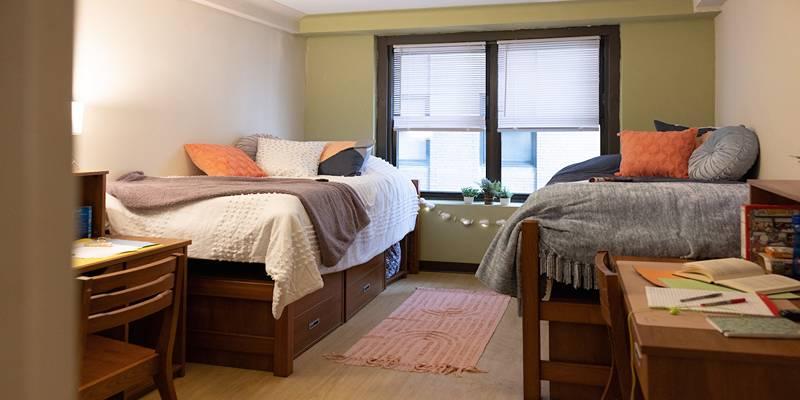
Accommodation is usually your biggest expense. A dorm bed in a popular Western city might cost you 30 to 40 euros per night. In less tourist-heavy spots, you can get the same for half. Booking platforms sometimes show lower prices, but taxes and fees get added at checkout, so always double-check. Also, if you’re staying more than two or three nights, contact the property directly. Many offer discounts for longer stays or cash payments.
Couchsurfing and volunteer stays can help cut this cost to almost nothing. But be realistic. It’s not always easy to find a host, and some platforms now charge for account verification. Treat them as a bonus, not your main plan.
Food Doesn’t Have To Drain Your Wallet
Eating out every day is tempting when you’re constantly moving, but it adds up. One sit-down meal can cost you 15 to 20 euros—more in major cities. That’s fine once in a while, but not three times a day. Street food, bakeries, and grocery stores are your best friends. You’ll find plenty of pre-made options, and many hostels have shared kitchens where you can cook a basic meal.
A rough breakdown for meals per day might look like this: breakfast under 5 euros, lunch for around 8, and dinner for about 10 to 12. Try to shop smart—buy in small quantities, especially for perishables, and don’t load up on things you can’t carry when switching locations.
Transportation Can Make Or Break Your Budget
The way you move around Europe plays a huge role in how much you’ll spend. Trains are fast and scenic, but they’re not always cheap unless booked well in advance. Buses are the budget-friendly option, and companies like FlixBus or BlaBlaCar offer routes across the continent. They take longer but cost far less.
For city-to-city travel, compare all options before committing. Sometimes a cheap flight can cost you more after adding luggage fees and transfers to the airport. Trains and buses usually take you closer to city centers.
Within cities, walking saves money and lets you discover places you’d otherwise miss. Many cities also offer transport day passes or bundles that cover buses, trams, and subways for a fixed fee.
Plan Around Free And Low-Cost Activities
A big part of the charm in Europe is how much you can do without spending much. Many cities offer free walking tours, especially in popular areas. Museums often have discounted or free entry days once a month. Parks, viewpoints, beaches, and historic streets cost nothing to enjoy.
There’s no shame in skipping attractions with high entrance fees. You don’t need to visit every single museum or tower to say you’ve seen a city. Instead, pick one or two per place that genuinely interest you. That’s easier on your budget and gives you time to explore more freely.
Little Things That Add Up Quickly
A lot of people forget about the tiny charges that sneak into their daily spending. Laundry isn’t free at most hostels. Neither is baggage storage. Public toilets in some cities charge a small fee. Then there’s tipping, sim cards, local taxes, printing travel documents, and buying a plug adapter after you’ve lost yours.
Set aside a small buffer each week, maybe 30 to 40 euros, just for the unexpected. That way, when these costs hit, you won’t feel like your whole budget’s falling apart.
How To Handle Your Money While Traveling?

Carrying wads of cash isn’t safe or smart. Many places now accept cards, especially in Western Europe. Get a card with no foreign transaction fees. Look for ATMs that don’t charge high withdrawal fees, and always withdraw in the local currency. Currency exchange offices near train stations usually give poor rates. If you need to carry some cash, keep it in different parts of your bag or clothing in case something gets lost or stolen.
Apps that track your expenses help a lot. You don’t need to check every hour, but knowing how much you spent each day helps avoid surprises. It’s easy to overspend without realizing it, especially when you're having fun.
Conclusion
Backpacking across Europe on a budget isn’t just possible—it’s actually one of the best ways to experience the diversity of the continent without emptying your bank account. It takes some planning, smart decisions, and being honest with yourself about what matters most. You don’t need to see everything. You need to see enough of it well. A good plan lets you do that without stress. So pack light, move smart, eat simple, and let your budget stretch further than you thought it could.