Hong Kong doesn’t waste time making an impression. You step into the city, and it’s moving—fast. Trams hum along, neon signs blink in every color, and crowds flow like currents through tight streets. It can look chaotic at first glance, but spend a few minutes walking around and you’ll realize it works. The energy is real, but so is the structure underneath.
The city is built upward, outward, and in layers. It packs a dense urban life into a relatively small footprint. And it does so without feeling cramped if you know where to go. There’s a rhythm to how people move and eat, and shop. You don’t need to research for weeks before coming. You need the right kind of simple advice—and a sense of curiosity.
Getting Around Without Stress
Start with the Octopus card. It’s a contactless card you’ll find at the airport, MTR stations, or convenience stores. Once you have it, you can ride the MTR, buses, trams, ferries, and even pay at some shops and restaurants. It saves time, avoids small cash payments, and works almost everywhere.
The MTR is the fastest way to cut across the city. Trams, especially the double-deckers on Hong Kong Island, are slower but let you sit back and see the street life roll by. The Star Ferry is more than just a commuter boat—it gives you a skyline view for the price of a snack.
Walking is possible in many neighborhoods, but footbridges, slopes, and escalators play a big role. You’ll often find yourself moving between street levels without even realizing it. Elevators in malls and towers act like public transport too, especially in Central.
Different Areas, Different Rhythms
Central is where the business suits walk fast and glass towers stretch high. It’s modern, sharp, and full of big names. But steps away, you’ll find quiet alleys with noodle shops, dried seafood stores, and art galleries.
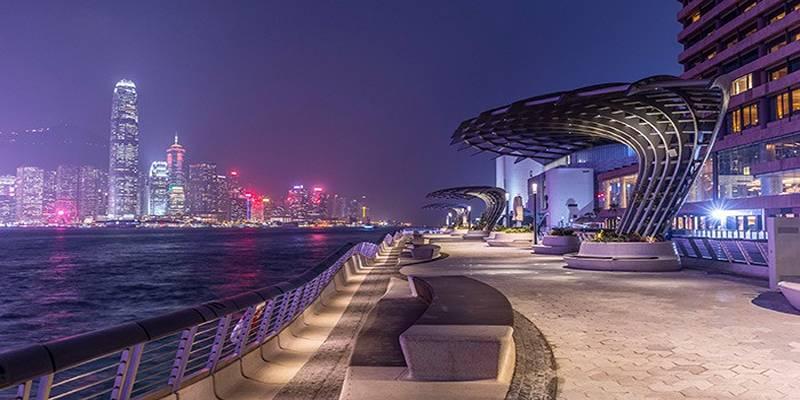
Across the harbor, Tsim Sha Tsui lines up views, malls, museums, and hotels in one strip. The harbor promenade offers a clean break from the busy roads just behind it. This area is packed with options and somehow always has something going on.
Mong Kok feels like a different engine altogether. It buzzes with night markets, sportswear outlets, and snack stalls squeezed between foot massage shops. It’s loud, proud, and keeps moving even after midnight.
Places like Sheung Wan and Wan Chai have more of a lived-in feel. Bakeries, street cats, tea shops, old walk-ups, and quirky bookstores live side by side. If you want to slow down without stepping out of the city, these areas hit the mark.
A City Built Around Eating
If you came for the food, you chose the right place. Hong Kong takes eating seriously, but it doesn’t demand you do the same. Whether you’re grabbing a pineapple bun or sitting down for dim sum, the experience fits your time and budget.
Cha chaan tengs are Hong Kong’s take on diners. They’re noisy, quick, and efficient. Expect baked rice, instant noodles in broth, ham and sandwiches, and strong milk tea. It’s comfort food in a stainless steel setting, and it works any time of day.
Dim sum is a must. Some restaurants push carts around; others give you a checklist. Either way, you’re in for a range of steamed, baked, and fried bites—from shrimp dumplings to barbecued pork buns. Tea flows nonstop, and the pace is your own.
Snacks and desserts deserve their own walk. Try curry fishballs on a stick, waffles cooked fresh at a street stall, or silken tofu pudding served warm or chilled. Hong Kong’s food doesn’t need to be expensive to be good.
What You Can Do Without a Tight Itinerary?
The city is packed, but you don’t need to pack your schedule. Some of the best experiences come from just walking. A ride up to The Peak gives you the best city view around. Head up in the late afternoon and watch the skyline shift from day to night.
Kowloon Park breaks up the concrete with wide paths, swimming pools, an aviary, and shaded spots to sit. It’s a good breather if the streets outside start to feel too loud. The same goes for Nan Lian Garden, where ponds and pavilions bring a calm you wouldn’t expect just steps from a major road.
You can find beaches too. Repulse Bay and Shek O are easy to reach by bus, and they give you clean sand and open space. They’re not secret spots, but they don’t need to be. The contrast between skyscrapers and the sea is worth the trip.
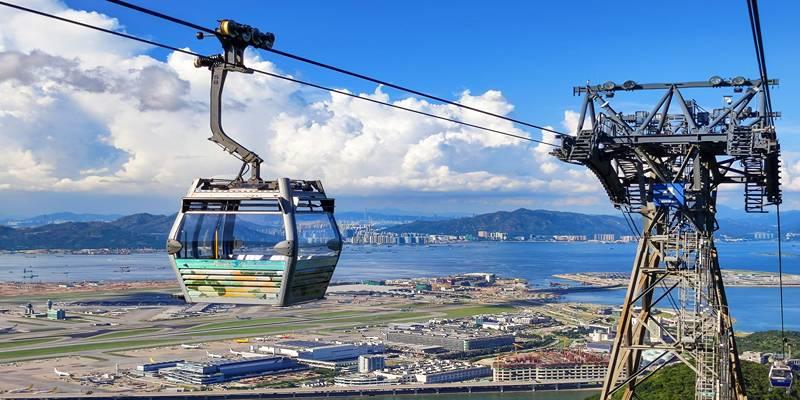
Ngong Ping’s cable car takes you over green hills and into the clouds. Even if you don’t visit the Big Buddha itself, the ride offers a rare stillness above the city noise. If the skies are clear, the views stretch for miles.
Shopping Without Pressure
Hong Kong shops like it breathes—with intensity but no fuss. Malls are everywhere, and they blend fashion, food, and electronics in ways that make sense. IFC Mall and Harbour City deliver global brands. Pacific Place offers more calm. Times Square throws in flash and crowd.
Markets bring another side. Temple Street at night is part market, part performance. You’re not necessarily there to buy—to absorb the feel. Ladies’ Market in Mong Kok runs a similar script with more fashion and accessories.
Then there’s Sham Shui Po, where prices drop and things get real. Fabric, phone cables, secondhand cameras—it’s all here. And it’s not curated. You’ll dig through boxes, and maybe find something useful or odd. Either way, it feels honest.
Conclusion
Hong Kong isn’t complicated. It just moves fast. You don’t need to chase every attraction to enjoy it. Walk a block. Sit by the harbor. Grab noodles at a corner shop. It’s all part of the same experience.
Some cities take time to warm up. Hong Kong hits you early and stays with you long after you leave. Maybe it’s the skyline, the food, or the way you hear 5 languages in one elevator ride. Maybe it’s just the way things run without trying too hard.