
If you've never had a blood transfusion, then you don't know much about them except what you've seen in movies and TV dramas. In fact, transfusions aren't just dramatic moments in hospitals; they're a medical therapy that saves lives every day. The first recorded transfusion was in 1818 by a British doctor who performed a transfusion for a woman who lost too much blood during childbirth. That one event initiated a treatment that is now a cornerstone of global healthcare.
Today, transfusions are used in far more people than one might think. From treating those losing blood with surgery or trauma to cancer patients undergoing cancer treatment to those with a lifetime blood disorder, everyone benefits from it. It impacts millions of lives annually.
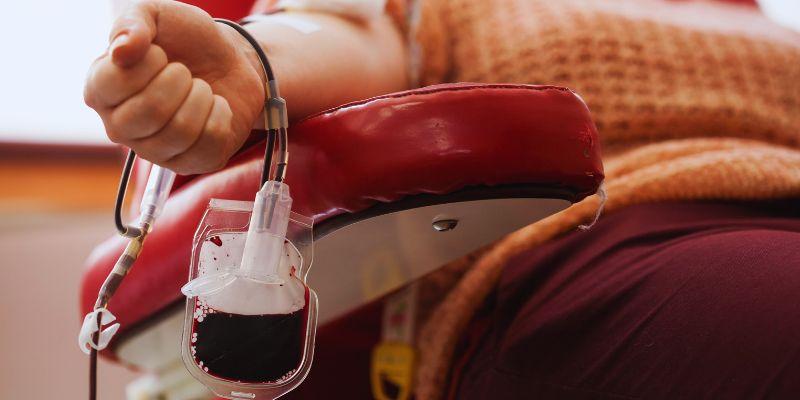
What's Really Happening in a Blood Transfusion
A blood transfusion is not just "giving blood to someone else." It's a closely controlled process aimed at substituting just what the body is lacking. Whole blood is rarely used. Instead, donations are divided into parts, and patients are given only the part they need. The main compounds that may be transfused include:
- Red Blood Cells - restore energy and eliminate fatigue
- Plasma - contains proteins that make the blood clot
- Platelets - to stop bleeding by creating clots
- Cryoprecipitate - contains special clotting factors
- Granulocytes - a type of white cell, given in rare cases
Why You Might Need One Beyond Emergencies
Most people associate blood transfusions with heavy bleeding during an accident or a life-threatening surgery. However, those are only a portion of the picture. Doctors use transfusions in a variety of ways that may not appear spectacular from the outside, but are equally critical. Common reasons include:
- Cancer Treatments: Chemotherapy can reduce red blood cell counts, leaving patients weak and exhausted
- Blood Disorders: A condition such as sickle cell anemia or thalassemia may need ongoing transfusions
- Severe Bleeding: Not just due to trauma, but also due to childbirth or internal bleeding in the stomach or intestines
- Medication Side Effects: Blood thinners, for example, sometimes cause dangerous bleeding
In all cases, transfusions aren't distributed willy-nilly. Doctors carefully consider the patient's needs and use this therapy only when no other treatment would be as effective.
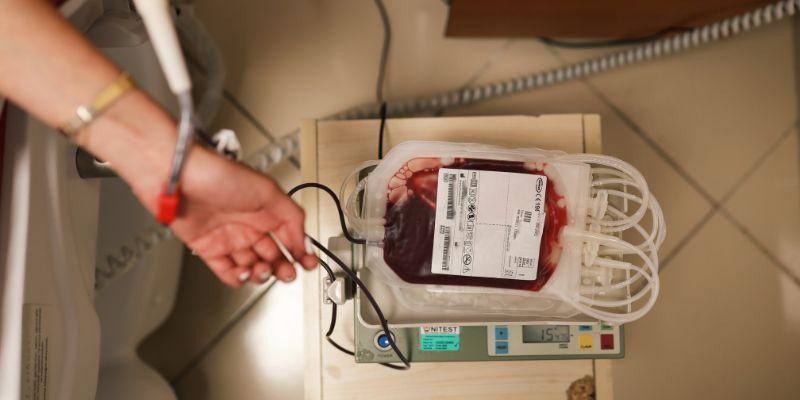
The Role of Blood Types in Transfusions
Blood type matching may be one of the most important—and sometimes surprising— aspects of a transfusion. Without the right match, your immune system can recognize donated blood as an invader and attack it. That's why compatibility is so important. There are four major blood types: A, B, AB, and O. Each type carries distinct markers that determine who can receive blood from whom. What that means in practice is:
- Type O donors are referred to as universal donors because their red blood cells can be donated to almost anyone.
- Type AB individuals are universal recipients, as they can receive blood from all blood types.
- Types A and B are only able to receive from specific groups, resulting in more selective matching.
But it doesn't stop there. Blood also needs to be checked for any hidden antibodies. Over time, individuals who require frequent transfusions may develop complex antibody profiles, making it more challenging to find a safe match. In rare cases, doctors may even go nationwide or use frozen units from specialized blood banks to ensure they receive the correct blood.
Risks You Might Not Know About
Blood transfusion is very safe today, but, like any medical treatment, it is not entirely risk-free. Most people will never suffer a problem, but it pays to know what might happen. Possible reactions include:
- Mild Reactions like fever, chills, or allergic reactions.
- Immune Reactions occur if the blood from the donor is seen as foreign by the body.
- Lung Injury And Iron overload after multiple transfusions are uncommon complications.
The numbers are reassuring. Significant reactions happen in less than 1% of transfusions, and deaths are sporadic, much less common than the everyday perils of driving or falling. Still, doctors are being careful. Every unit of blood is carefully matched and monitored to ensure patient safety and optimal outcomes.
Can You Use Your Own Blood?
Can you donate blood for yourself or a loved one? The answer is yes, but it's not very common. Autologous Transfusion is the donation of your own blood before the scheduled surgery. While this sounds reassuring, it comes with disadvantages. If you donate blood before surgery, you put yourself in danger of becoming anemic anyway. It increases the likelihood that you will still need a transfusion during surgery - perhaps from a different donor.
In rare cases, your doctor may recommend that you store your own blood if you have a rare blood type or special antibodies. That way, you can use it again when you need it later. There's also what's called directed donation, where a person donates specifically for a particular patient, such as a child. However, this is unusual and typically requires special approval. Most transfusions today still use volunteer donors, whose generosity ensures that today's lifesaving treatments remain possible.
How Safety Is Maintained Today
One of the most comforting facts about transfusions is that they are now really safe. Every step of the process is patient-protective and designed to prevent problems. Before a donation is used, it passes through:
- Comprehensive testing for infection, disease, and bacteria.
- Careful blood typing and antibody screening are used to ensure compatibility is maintained.
- Careful storage and monitoring so that blood is stored under safe conditions until it's used.
There are numerous checks before, during, and after a transfusion. Nurses and doctors continually observe patients for a reaction, even if mild. While the myths about unsafe blood continue to be spread, the truth couldn't be further from the mark. Modern systems are highly reliable, and significant complications are infrequent. The result is a therapy that patients can have confidence in when they really need it.
Conclusion
Blood transfusions may be a simple task, but lying behind every unit is science, precision, and human generosity. Chemotherapy is not just for an emergency - it is an essential component of cancer care, chronic conditions, and even childbirth. From carefully matching blood types to checking for hidden risks, every step is designed to ensure patient safety and well-being. While most of us probably never think about transfusions until we need them, they remain one of medicine's quiet miracles. At the core is the selfless act of volunteer donors whose one donation has the potential to save as many as three lives. That's the real surprise in blood transfusions - they're not only medical, but human beings helping human beings in the most direct way possible.