January often feels like a month of endurance—short days, biting cold, and skies that forget how to be blue. That's why Aruba holds such a strong appeal. The island greets you with steady sun, breezes that never feel harsh, and water so clear it looks unreal. It's not just about escaping winter; it's about stepping into a place that seems designed to quiet the tension winter leaves behind. Aruba doesn't demand much from you. It offers space, warmth, and the kind of ease that feels almost unfamiliar when you've been wrapped in heavy coats for weeks. Here, January softens into comfort.
Weather That Doesn’t Waver
Aruba's location just outside the hurricane belt means it doesn't share the uncertainty of its neighbors. In January, the days sit comfortably around 82°F (28°C), with steady breezes off the sea. The island rarely gets heavy rain this time of year. Most showers, if they come at all, pass quickly. You can count on waking up to the sun nearly every day, which is exactly why people come here when the northern hemisphere feels gray and half-asleep.
The water is calm and clear—warm enough for swimming at any time of day. Unlike many tropical spots that alternate between scorching sun and sudden downpours, Aruba stays steady. You won’t be juggling umbrellas or dodging cold snaps. It’s a rare kind of climate: consistent, kind, and made for people who just want to be outside without thinking about the sky.
Beaches Without the Chaos
Aruba’s beaches are the main draw, but they’re not just one-note stretches of sand. Each has its own character. Eagle Beach, for example, often shows up in lists of the world’s best beaches—and not without reason. It’s wide, clean, and quiet. The sand feels fine and cool underfoot, and there’s enough room to sit without strangers close by. The signature divi-divi trees lean toward the sea, shaped permanently by the trade winds. It feels like a postcard that stayed behind to become real life.
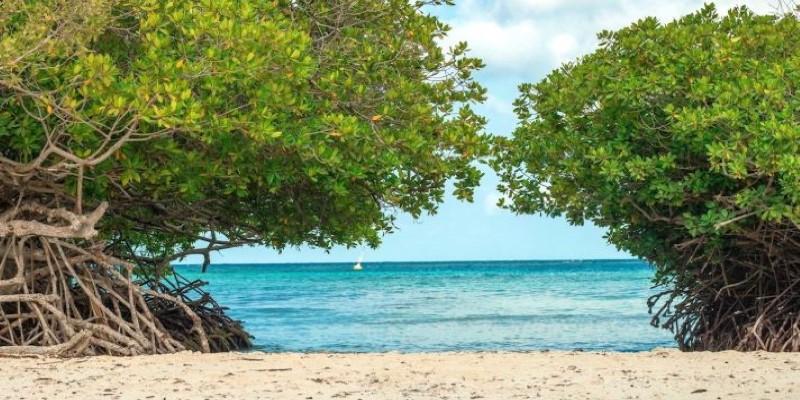
A few minutes away, Palm Beach is livelier, with resorts and people, but still calm compared to busier Caribbean destinations. Even when it's active, the tone is easygoing. No one’s trying to impress anyone. Families walk together, couples read in hammocks, and swimmers drift. January is part of the island’s high season, but it never feels overcrowded. That’s part of Aruba’s appeal—it welcomes more people without feeling overwhelmed by them.
The sea itself is clear enough to see your feet through, with little fish darting around if you stay still. Snorkeling here doesn’t require much gear or planning. Just swim a little out from the shore at Arashi or Mangel Halto, and you’ll see coral, fish, and sometimes even turtles. No loud guides or boats needed—just you, the water, and a sense of quiet wonder.
A Natural Pace of Living
Outside the beaches, Aruba offers a slow, sturdy rhythm that feels easy to follow. Rent a car, and within minutes, you're driving through dry, desert-like landscapes. Cacti stretch tall against the horizon, and goats wander the roadside. Arikok National Park covers nearly 20% of the island, and it’s a good place to see another side of Aruba—one that’s rockier, quieter, and often completely empty. The wind here doesn’t stop. It sings through the brush, rattles branches, and cools your skin while you walk.
In the park, you’ll find natural rock pools, caves with old drawings, and sweeping views of the rougher coastline. The trails are manageable, not steep or long, and most are shaded by stone overhangs or scrub trees. It’s not dramatic terrain, but it feels untouched and strangely grounding.
Oranjestad, the capital, is easy to explore in a single afternoon. Colorful buildings line the streets, and local shops carry everything from handwoven crafts to aloe products made from plants grown nearby. The market near the marina sells fruit, bread, and snacks you can carry with you as you walk. There are museums, but they’re small and unpretentious—more like quiet glimpses into the island’s layered past than grand displays.
You don't need a schedule here. That's the point. Everything about Aruba invites you to move more slowly, take longer, and notice more.
Local Flavors That Stay With You
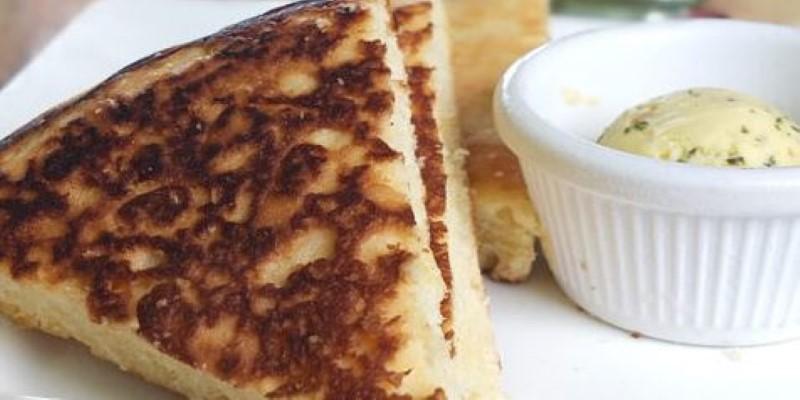
Food in Aruba reflects its mixed history. You’ll find Dutch touches in some of the pastries and snacks, but most meals draw from the sea and the soil. January is a good time for fresh mahi-mahi, wahoo, and snapper, grilled and served with fried plantains or stewed vegetables. There are small roadside spots—some of them just a counter and a table—that serve pan bati (a cornmeal flatbread) and soups rich with spice.
Try a place like Zeerovers in Savaneta, where the fish comes straight off the boat and onto your plate. It’s not fancy, and that’s the appeal. You sit by the water, eat with your hands, and everything tastes better for being simple.
Fruit is everywhere—papaya, mango, soursop—and juices are made fresh, without syrup or extra sugar. The tap water is safe to drink, by the way, filtered through a desalination process that keeps it clean and crisp. That may seem small, but it makes a difference when you're here for a week or more.
Aruba doesn’t overwhelm your senses. It doesn’t shout. The food, like everything else, is grounded. It’s warm and satisfying and often served with a smile from someone who isn’t in a rush.
A Gentle Goodbye
Leaving Aruba in January doesn’t feel abrupt. The calm stays with you. It isn’t the kind of place that overwhelms you with choices or wears you out with too much to do. What you take home from Aruba isn’t a checklist of attractions—it’s the memory of days that moved easily, with warmth on your skin and nowhere you had to be. The beaches, the soft air, the quiet roads—they stay with you longer than you’d expect. And in a month where most people are just trying to get through the cold, that’s something rare. Aruba doesn't just offer a warm place to visit in January. It gives you space to breathe.